An illustrative business idea
A permanent home for once-a-year events
Keep one event address alive from final applause through the archive and into next year's opening.
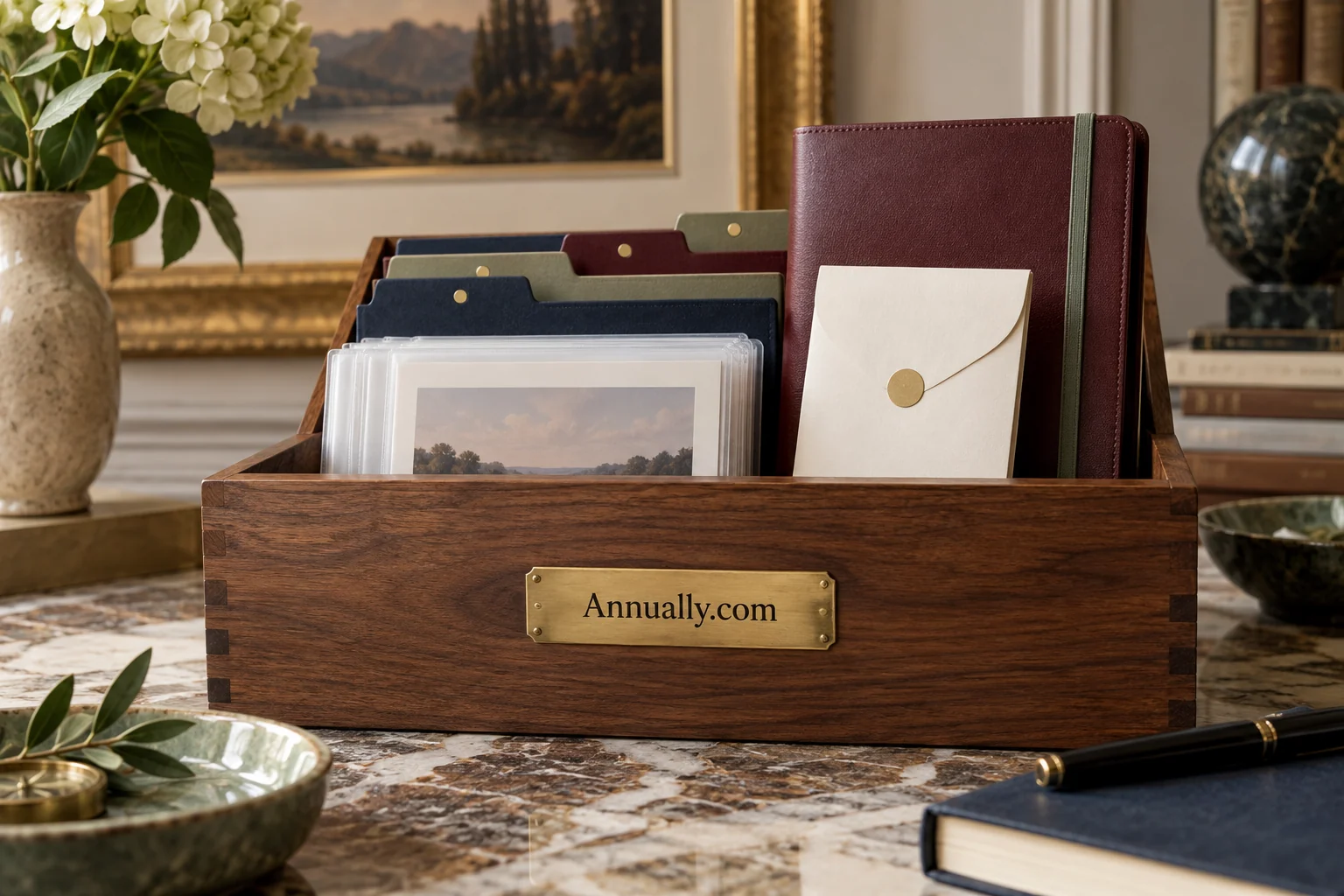
A conference, festival, fundraiser, or awards program may run for a few days, but its relationship with attendees lasts much longer. The website has to close one edition, preserve what matters, and begin the next without making returning visitors wonder whether the event still exists. Annually.com could become a platform for recurring events that need one enduring public home across yearly editions. This is a possible business direction for a future owner.
Pick one event vertical before building the platform
The first customer should not be every kind of event. A regional film festival, professional conference, annual fundraiser, and industry awards program have different schedules, content, ticketing needs, and permissions. A focused product could begin with one vertical whose organizers share a recognizable rollover problem.
Suppose the first audience is small professional conferences. The offer could provide a permanent event page, edition-specific dates and locations, an archive, a speaker or program record, and a way to collect interest for the next edition. Ticket sales could remain with an established provider. The new product would manage continuity and presentation rather than reproduce every registration, venue, and payment feature.
The name fits because the event returns each year, while the page remains stable. An organizer can use one address in printed materials, sponsor discussions, attendee bookmarks, and archive links. The product still has to handle changed dates, canceled editions, renamed venues, and incomplete schedules honestly. Permanence is useful only when the current status is clear.
Design around editions, not disposable pages
The core record could be an event with a series of editions. The enduring page explains the event and shows the next confirmed edition. Each edition carries its own dates, location, status, registration link, program, partners, and approved media. When an edition ends, the organizer chooses what moves into the archive and what remains private. The next edition can begin as an interest page before registration opens.
A stable information model avoids a common tangle. The 2027 venue should not overwrite the 2026 archive. A rescheduled date should retain its prior date and current status. A speaker's permission for one edition should not automatically become permission to reuse a photograph forever. A waitlist for the next event should not be confused with registration for the finished one.
Google's event structured-data guidance emphasizes accurate names, dates, locations, and event status, and it documents cases such as postponed or rescheduled events. That is useful implementation guidance for public pages. Structured data may improve how a system understands the page, but it does not guarantee a particular search display or attendance result.
Work through a fictional festival rollover
Imagine a fictional three-day design festival that ends in October. During the event, the current edition page holds the schedule, venue information, accessibility notes, and approved ticket link. After the final day, the organizer changes the edition status to completed. Ticket calls to action are removed. A short recap, the final program, and approved photographs move into the archive.
The enduring event page then highlights an interest form for the following year. The organizer has not confirmed dates, so the page says that the next edition is planned and that details will be announced. It does not publish a placeholder date as if it were final. When the venue and dates are signed, the new edition record becomes current and the interest list receives an approved announcement.
A speaker later asks for a portrait to be removed from the prior edition. The organizer can replace the image without deleting the program record. Another attendee follows an old schedule link and reaches the archived 2026 edition rather than a redirect to unrelated 2027 content. The platform keeps the history useful while respecting current permissions and status.
The example is hypothetical. A real festival would make its own decisions about archival rights, accessibility, ticketing, consent, and data retention. The product should support those decisions without claiming ownership of event content or audience data it has not been granted.
Make calendars portable
Returning attendees often want dates in the calendar they already use. The iCalendar specification, RFC 5545, provides a standard format for exchanging calendar and scheduling information. A product can offer a tested calendar file or feed for a confirmed edition, with accurate time zones and update behavior. It should not add unconfirmed sessions or silently preserve canceled times.
For a multi-session event, the organizer needs a choice between one event-level calendar entry and separate session entries. A conference may prefer a single date block until the agenda is settled, then allow attendees to add individual sessions. The platform should document how updates are delivered and what happens when a session moves. These small decisions shape trust more than a decorative countdown clock.
Build the organizer workflow behind the public page
The operator needs roles for the person who maintains event facts, the person who approves public changes, and any contributor adding program material. A draft and publish workflow should show which edition is affected. Media uploads need rights notes and sensible file handling. Forms need clear consent and a defined destination. Integrations with ticketing or email tools should pass the minimum necessary data and expose failures.
A useful dashboard might show incomplete public facts, pending approvals, broken outbound links, and content scheduled for archive. It should avoid invented urgency. The yearly rhythm already creates a natural sequence: close, preserve, prepare, announce, open, deliver, and close again.
The product also needs an escape route for unusual years. An event may skip a year, move online, change ownership, or end. The permanent page should be able to explain that status plainly. Forcing every organizer into an active-registration template would damage the continuity the product is meant to protect.
Reach organizers with a rollover demonstration
Show the rollover in a before-and-after review of an organizer's existing pages. The operator can show how one completed edition becomes a clean archive and how the next edition opens without breaking old links. A public demo should use fictional content or material the operator has permission to publish.
Event-production agencies, association managers, and specialist web studios may become referral partners if the platform fills a gap between a general website and a ticketing system. The partnership pitch should be specific about who manages content, who supports integrations, and what happens during the busiest week of the event. Reliability at rollover matters more than a large template gallery.
The best first pilot is one real event vertical and one complete transition. Start with the closing state of a finished edition, create the archive, open the next edition, publish a confirmed change, and test the interest and calendar flows. Interview the organizer after each step. That work reveals the statuses, permissions, and exceptions a second customer will need.
Annually.com gives this concept an enduring name for events that return. To discuss acquiring the domain for a recurring-event platform, submit an inquiry naming the first event vertical and proposed rollover. A partnership proposal should also explain who would recruit organizers, operate the service, manage event-data permissions, and support the platform through each edition.